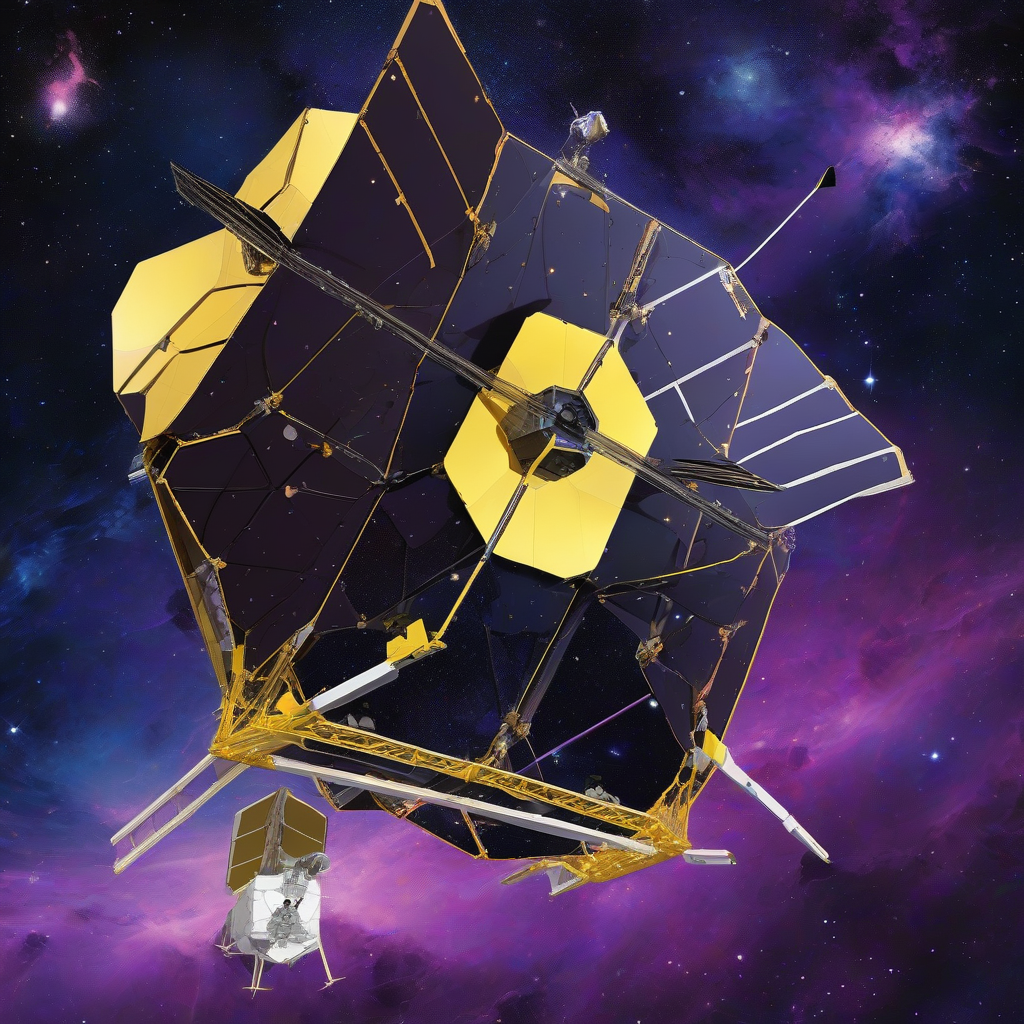
NASA's Hidden Truth
The Mysterious Case of NASA's Government Status
Is NASA a government agency? The answer might surprise you. While it's commonly referred to as a government agency, the reality is more nuanced. NASA is actually an independent agency of the United States federal government, responsible for the nation's civilian space program and for aeronautics and space research. But what does that really mean, and how does it impact the work they do?
As we delve into the inner workings of NASA, you might be surprised to learn that their budget is approved by Congress, but they also have a significant amount of autonomy in how they allocate those funds. This unique blend of government oversight and independence allows NASA to push the boundaries of space exploration and research, often in partnership with private companies and organizations. If you're interested in learning more about the intersection of government and private interests in the tech world, be sure to check out our article on 7 Shocking SaaS Secrets.
Uncovering the Truth About NASA's Funding
So, how is NASA funded? The answer lies in a complex mix of government appropriations and private partnerships. While NASA's budget is approved by Congress, they also receive funding from a variety of other sources, including private companies and international partners. This diverse funding stream allows NASA to pursue a wide range of projects and research initiatives, from exploring the surface of Mars to developing new technologies for space travel. But what are the implications of this funding model, and how does it impact the direction of NASA's research and exploration efforts?
As we explore the intricacies of NASA's funding, it's clear that their work has significant implications for a range of fields, from cybersecurity to artificial intelligence. If you're interested in learning more about the latest developments in these areas, be sure to check out our articles on Boost Your Career with Cybersecurity Certs and 7 AI Tools That Will Revolutionize Your Work.
NASA's Role in the Future of Space Exploration
So, what does the future hold for NASA and space exploration? As we look to the stars and consider the possibilities of human settlement and research on other planets, it's clear that NASA will play a critical role in shaping the direction of this research. From developing new technologies for space travel to exploring the surface of distant planets, NASA's work will have significant implications for our understanding of the universe and our place within it. And with the rise of private space companies like SpaceX and Blue Origin, it's clear that the future of space exploration will be shaped by a complex interplay of government and private interests.
As we consider the possibilities of space exploration and research, it's worth noting that NASA's work has significant implications for a range of fields, from programming to gadget development. If you're interested in learning more about the latest developments in these areas, be sure to check out our articles on 5 Reasons Rust Isn't As Bad As You Think and Discover Top eReader Examples for Book Lovers. You can also explore more about space and its secrets in our article 7 Cosmic Secrets Revealed.
Practical Applications of NASA's Research
But NASA's research and exploration efforts aren't just about pushing the boundaries of human knowledge – they also have significant practical applications. From developing new technologies for space travel to improving our understanding of the Earth's climate and weather patterns, NASA's work has the potential to impact our daily lives in meaningful ways. So, what are some of the key takeaways from NASA's research, and how can we apply them in our own lives and work?
- Developing new technologies for space travel, such as advanced propulsion systems and life support systems
- Improving our understanding of the Earth's climate and weather patterns, and developing new strategies for mitigating the impacts of climate change
- Exploring the surface of other planets and moons, and searching for signs of life beyond Earth