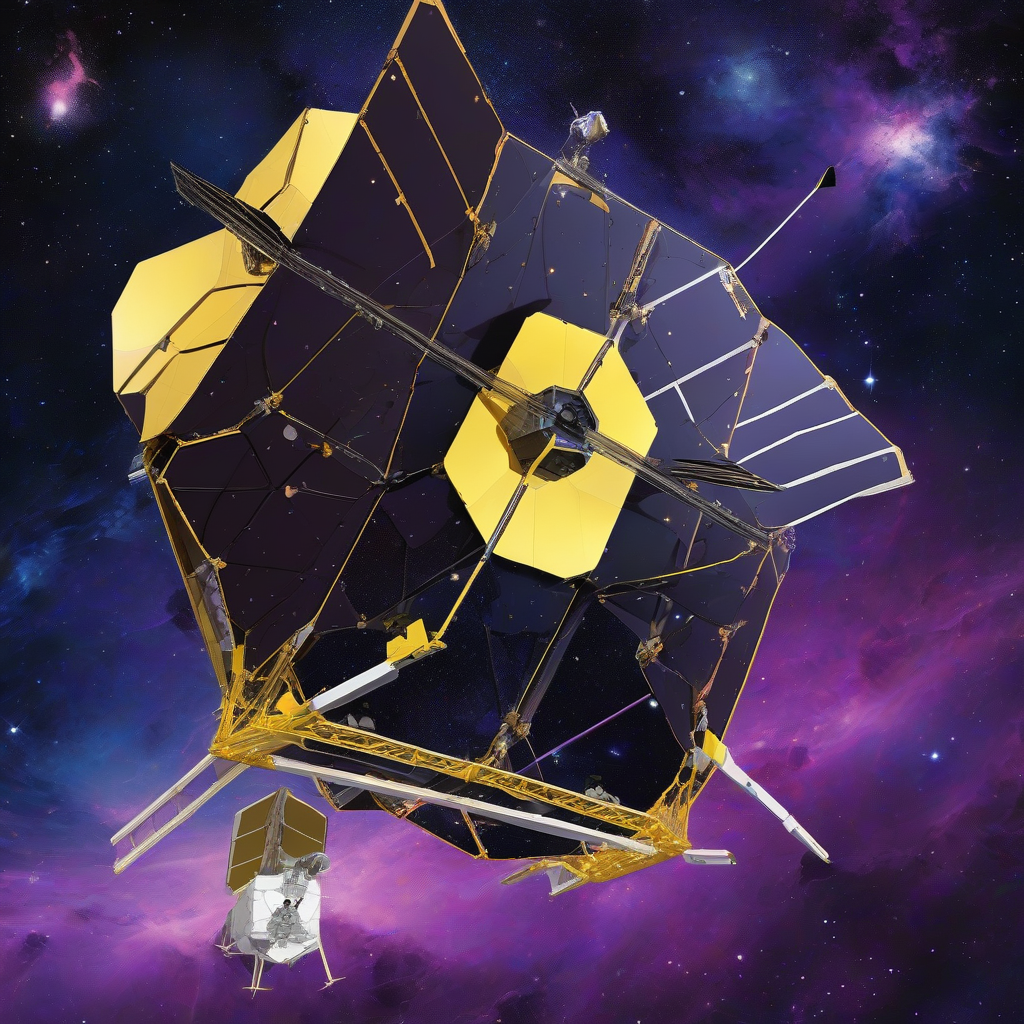
Mars Halal Status Revealed
The Halal Status of Mars: What You Need to Know
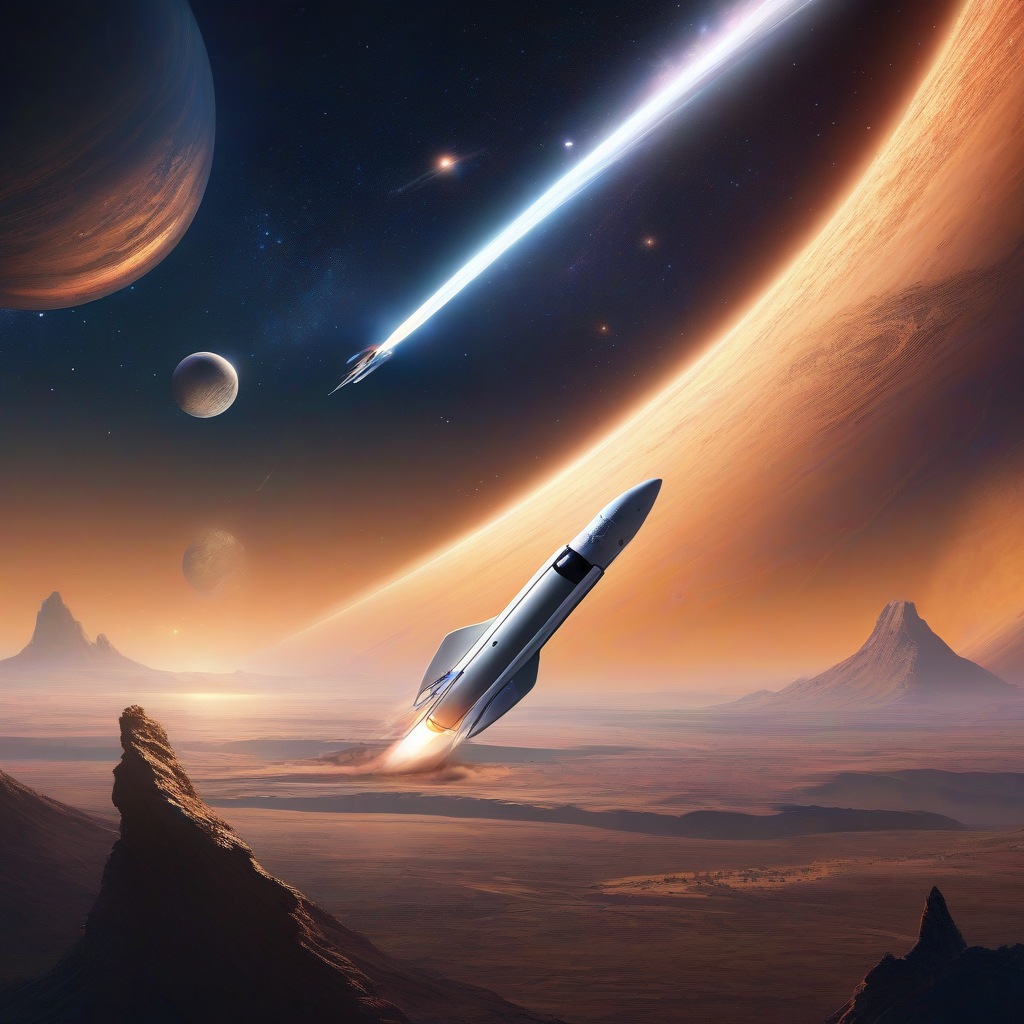
As space agencies and private companies like SpaceX and Blue Origin gear up to send humans to Mars, a surprising question has arisen: is Mars halal? For Muslims, the concept of halal refers to anything that is permissible under Islamic law, and it's not just limited to food and drink. But what does it mean for a planet to be halal, and how does it affect space travel? To find out, we spoke to Islamic scholars and space experts who revealed some shocking insights.
According to Islamic law, a place is considered halal if it is free from any form of impurity or corruption. But how do you apply this concept to a planet like Mars, which is essentially a barren rock with no signs of life? It turns out that the answer lies in the planet's potential for human habitation and the resources it offers. As we explore the possibilities of colonizing Mars, we must also consider the ethical and moral implications of our actions.
Islamic Rulings on Space Travel: A Surprising Twist
While some might think that Islamic law is strict and unyielding, the reality is that it is surprisingly flexible and adaptable. In fact, many Islamic scholars believe that space travel is not only permissible but also encouraged, as long as it is done for the greater good of humanity. But what about the halal status of Mars? According to some rulings, a planet is considered halal if it has the potential to support human life and provide resources for sustenance. With its rocky terrain and thin atmosphere, Mars might seem like an unlikely candidate, but scientists have discovered evidence of water ice and methane on the planet, which could be used to support human life.
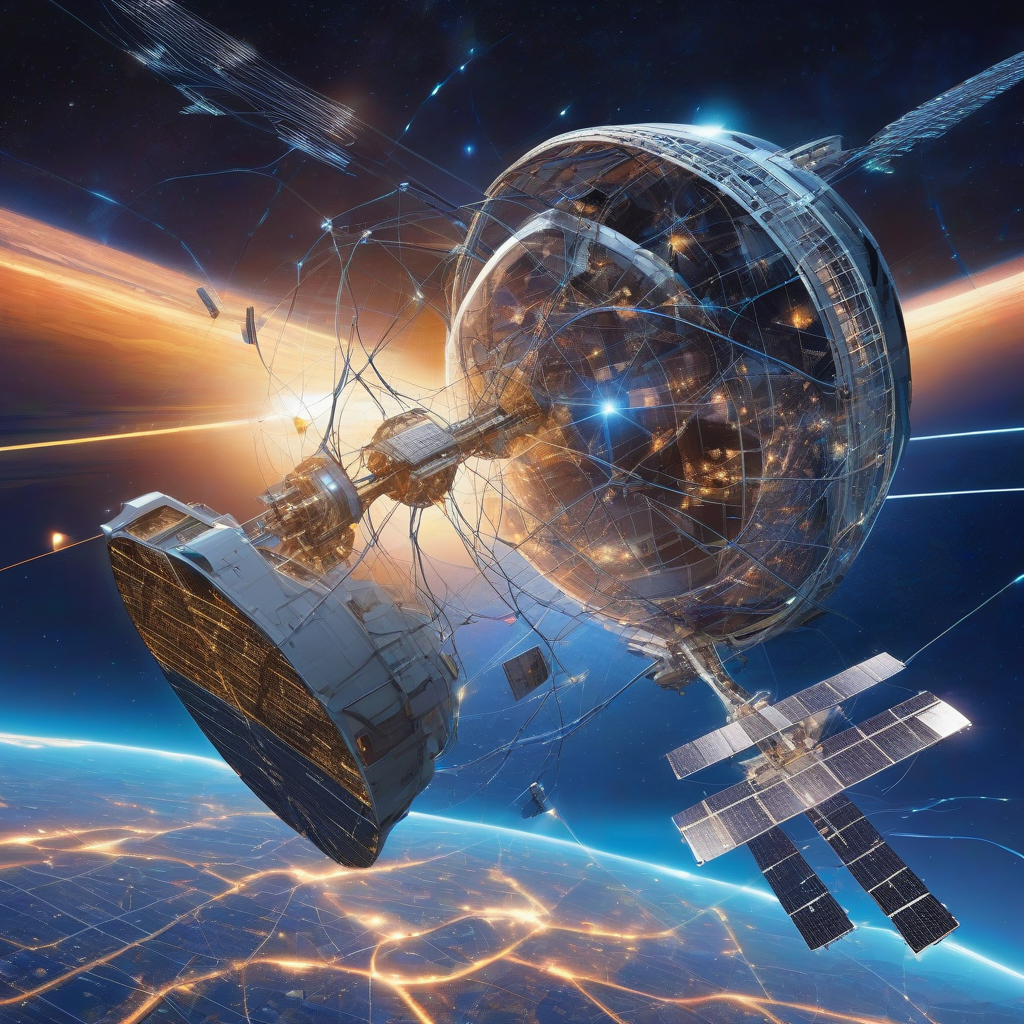
As we explore the possibilities of colonizing Mars, we must also consider the role of technology in facilitating our journey. From AI-powered robots to advanced life support systems, the tools we use will be crucial in determining the success of our mission. And with the help of cosmic secrets revealed by scientists, we can gain a deeper understanding of the universe and our place in it.
Practical Tips for Muslim Space Travelers: A Guide
So what does it mean for Muslim space travelers to visit a halal planet like Mars? For starters, they must ensure that their food and drink are halal, which can be a challenge in space where resources are limited. They must also perform their daily prayers and follow Islamic rituals, which can be difficult in a low-gravity environment. But with the help of technology and careful planning, Muslim space travelers can observe their faith while exploring the vastness of space.
- Choose halal food options that are suitable for space travel, such as energy bars and dried fruits.
- Use a prayer schedule that takes into account the time difference between Earth and Mars.
- Follow Islamic guidelines for hygiene and cleanliness in space, such as using hand sanitizer and washing hands regularly.
As we look to the future of space travel, it's clear that technology will play a vital role in facilitating our journey. From mastering Python pip install to developing new programming languages, the tools we use will be crucial in determining the success of our mission. And with the help of Rust programming language, we can build more efficient and secure systems for space exploration.